


As crypto projects evolved, various terms started being used interchangeably, such as “cryptocurrency” and “token”. The primary difference between them is that a crypto asset is native to a blockchain, whereas tokens are extensions of platforms built on these blockchains.
This is also the case for XRP, a cryptocurrency, and Ripple. XRP is often called the Ripple digital asset, so the error is a simple confusion that we can clear up. In simple terms, XRP is the digital asset, while Ripple is the enterprise on top of which XRP was built. The success of the software company, its protocol, and approach towards businesses has supported the growth of the cryptocurrency. According to the latest XRP price prediction statistics, its value is expected to increase by approximately 5% over the next few years, establishing itself as a reliable and innovative project.
Let’s dive deeper into what distinguishes XRP from Ripple and explore their respective use cases.
What is XRP?
XRP is the native cryptocurrency of the blockchain, the XRP Ledger (XRPL). Its main use cases include settling transactions fast and affordably, making it an approachable asset for a vast audience. There’s a total limit of 100 billion tokens, out of which the company uses a portion to fund projects and support adoption.
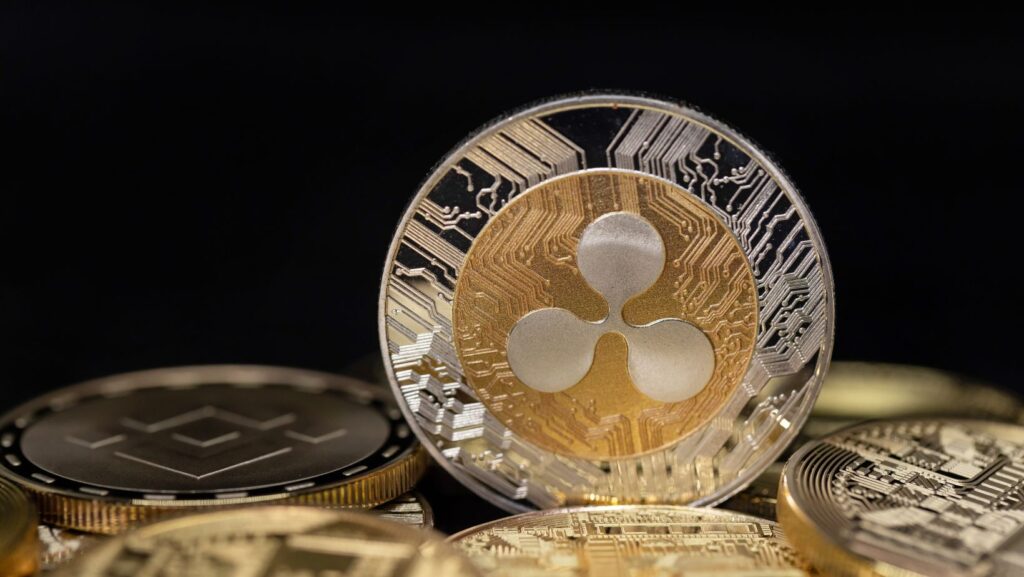
The blockchain is an open-source ledger that doesn’t rely on mining, unlike Bitcoin. The ecosystem enables anyone to build upon it or utilize the cryptocurrency. Although the assets were pre-mined, the company periodically releases tokens into circulation to maintain stability and encourage scarcity.
What is Ripple?
Originally, the XRP coin was named Ripple, but the concept soon evolved and became the name of the tech firm. Its founders, Chris Larsen and Jed McCaleb, also developed the RippleNet decentralized global network, through which banks and corporations can connect with payment providers and digital asset exchanges.
Ripple’s focus is not solely on XRP, as it supports the development of international payments through various tools, such as on-demand liquidity (ODL) that uses XRP to link currencies with fast-settling payments. Ripple has gained popularity due to its lawsuit with the U.S. Securities and Exchange Commission (SEC), for which the company secured a victory.
What Does The XRPL Do?
The XRP Ledger is a Layer 1 blockchain solution that supports XRP transactions and enables developers to create stablecoins or NFTs. Some of its key features include:
- A built-in decentralized exchange (DEX) where users trade assets efficiently, without intermediaries;
- An architecture supporting tokenization representing real-world assets, such as stablecoins or NFTs;
- Multiple payment channels that reduce the load on the blockchain and support near-instantaneous payments;
The ledger enables developers to contribute to the growing ecosystem by providing them with access to knowledge and tools. Client libraries, such as those written in JavaScript or Python, facilitate easier interactions with the ledger. Testnets and faucets serve the purpose of experimenting without risk, and other interactive tools enable debugging and visualizing transactions in real-time.
Does Ripple Have An Interest In Stablecoins?
Ripple is targeting companies worldwide that want to leverage decentralization and stay ahead of the competition. However, the evolving regulatory landscape is making it challenging for businesses to adopt cryptocurrencies. As Binance.com Research highlighted, “The CFTC’s push to evaluate tokenized collateral and stablecoins for derivatives markets highlights a clear regulatory shift toward embracing blockchain-based financial infrastructure. This move could unlock 24/7 liquidity, lower systemic risk, and pave the way for broader digital asset adoption.”
Therefore, when it comes to stablecoins, companies are most likely to receive approval to leverage these assets as financial bodies begin to recognize them. The US Commodity Futures Trading Commission and the SEC are some of the first bodies to frame the guidelines for stablecoin use, so the Ripple stablecoin has received attention at the right moment.
The Ripple USD (RLUSD) is now a means for real-time, secure, and compliant transactions, as it enables enterprises to send funds worldwide. The fast settlement is facilitated by the XRP Ledger and the Ethereum blockchain, thereby enhancing security through multi-chain issuance.
Who Can Benefit From Ripple’s Services The Most?
While anyone can use the XRP coin and leverage the benefits of the blockchain, Ripple has set its sights on specific customers who have the power to transform the financial sector. These include:
- Crypto businesses can unlock access for USD at a global scale, as the platform is an efficient solution to bypass correspondent banking rails;
- Payment service providers can benefit from a real-time cross-border payments solution by expanding their reach and speeding up time to market;
- FinTechs can gain a competitive advantage and meet customer demand by integrating stablecoins, expanding their reach, and meeting the demand for speed;
- Banks can engage in asset tokenization with bank-grade security, become a digital asset custodian, and even tap into new asset classes;
What Are The Projects Living On The Ledger?
XRPL is becoming a hub for innovative projects in the decentralized world that shape the future. Its contributions to DeFi (decentralized finance), RWA (real-world assets), and DID (decentralized identifiers) are helping to grow awareness of crypto.
Some notable projects include the following:
- Alt DRX offers real estate tokenization support, so users can own fractional shares of physical parcels as digital assets;
- Moai Finance is a decentralized exchange that offers liquidity by connecting different blockchain ecosystems;
- Breezepay is a channel connecting online stores with Point-of-Sale systems that supports effortless payment for goods and services;
Despite criticism of its centralization concerns and slow development and adoption, Ripple’s XRP has evolved into a useful cryptocurrency and is now trusted by numerous worldwide companies to facilitate seamless transactions. At the same time, the ledger ensures that all the necessary tools and knowledge are available for developers to create further innovative applications for the financial world.
Final Considerations
XRP and Ripple are often used interchangeably, but they’re completely different. Although the coin was initially named Ripple, this has settled as the name of the enterprise providing the XRP cryptocurrency and the XRP ledger. Both have contributed to the growth of the crypto market, and now the project focuses on business and company use cases. With the development of the stablecoin, Ripple is now a safe and trusted decentralized business.

