


When pests show up in a home, most homeowners immediately check doors, windows, and attic vents. While these areas are common entry points, one of the most overlooked access routes is hidden underground. Sewer lines designed to safely carry waste away from your home can become an open invitation for pests when damaged. Understanding how sewer lines contribute to pest entry can help homeowners solve infestations at the source instead of dealing with recurring problems.
How Sewer Lines Are Designed and Where They Fail
Residential sewer lines run from your home to the municipal sewer system or septic tank. These pipes are typically made from materials like clay, cast iron, or PVC, depending on the age of the property. Over time, even durable materials can deteriorate due to soil movement, corrosion, or invasive tree roots searching for moisture.
Small cracks or separations may not cause immediate plumbing emergencies, but they create vulnerable points underground. As these issues worsen, sewage leaks, odors escape, and pests gain easier access to the home. That’s why professional services such as Mr. Rooter Plumbing proudly offer sewer line repair winnipeg, helping homeowners address underground damage before it turns into a larger problem. Early repair not only protects plumbing systems but also limits pest activity tied to sewer failures.
Why Sewer Line Damage Attracts Pests
Sewer lines are naturally appealing to pests. Rodents, cockroaches, and insects thrive in dark, damp environments where food sources are readily available. When a sewer line cracks or leaks, it releases moisture and organic matter into the surrounding soil conditions that attract pests almost immediately.
Sewage odors are another powerful attractant. Rats, in particular, rely heavily on scent to navigate, and sewer gases can lead them straight toward a home. Once pests locate a compromised sewer line, they can travel through the pipe system and enter living spaces through drains, toilets, or pipe gaps. What begins as a minor plumbing issue can quickly escalate into a full-blown pest infestation.
Common Pests That Enter Homes Through Sewer Lines
Several pests are known to use sewer systems as highways into homes. Rats and mice are the most concerning due to their size, chewing habits, and ability to spread disease. These rodents can swim through sewer pipes and squeeze through surprisingly small openings.
Cockroaches are another frequent intruder, especially larger species often referred to as “sewer roaches.” Drain flies and other moisture-loving insects may also appear when sewer lines leak or back up. Because these pests originate from underground systems, surface-level treatments alone often fail to eliminate the problem.
Warning Signs Your Sewer Line May Be a Pest Entry Point
Homeowners dealing with recurring pest issues should watch for signs pointing to sewer-related problems. Persistent foul odors coming from drains are a major red flag, especially if they linger despite cleaning. Slow drains, frequent backups, or gurgling sounds from plumbing fixtures can also indicate sewer line damage.
Another warning sign is repeated pest activity even after professional treatments. If pests keep returning, the issue may not be incomplete extermination; it could be an ongoing access point beneath the home. Identifying these symptoms early allows homeowners to act before damage and infestations worsen.
Why Pest Control Alone Isn’t Enough
While pest control is essential, it often addresses only part of the problem. Extermination removes existing pests, but it doesn’t repair the conditions that attracted them in the first place. If sewer line damage remains unresolved, new pests will continue to enter, no matter how effective the treatment.
This is where working with a trusted provider like A1 Pest Solutions – 5 star rated exterminator becomes especially valuable. Experienced exterminators understand that long-term pest control depends on eliminating both the infestation and its source. Without addressing sewer-related entry points, homeowners may find themselves scheduling repeated treatments with little lasting success.
How Sewer Line Repair and Extermination Work Together
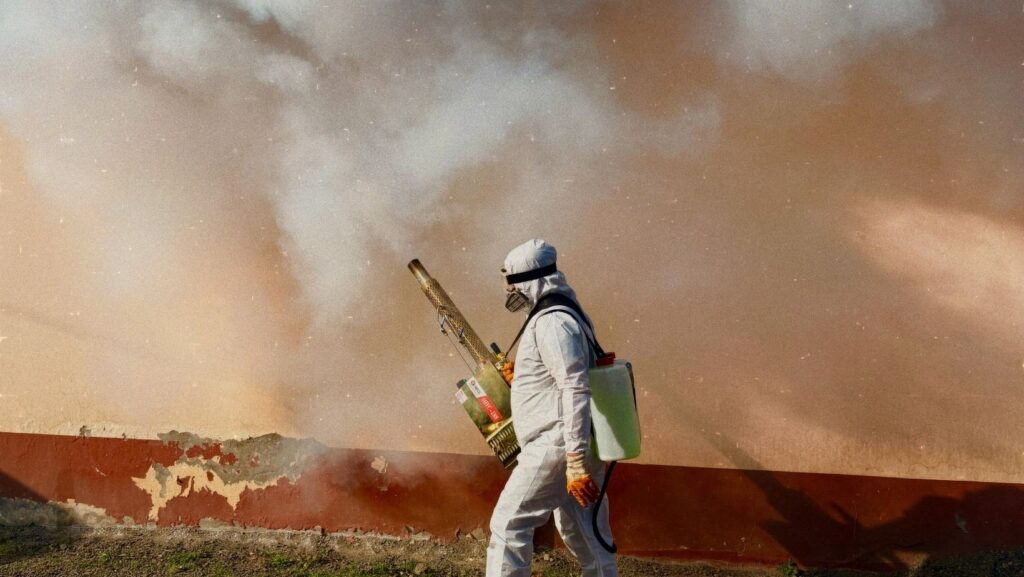
The most effective solution combines sewer line repair with professional extermination. Sewer line repair closes off entry points, removes excess moisture, and eliminates the odors that attract pests. This structural fix stops pests from entering the home through underground routes.
Exterminators then focus on removing pests already inside the home and treating affected areas to prevent reinfestation. Together, these services create a comprehensive approach that targets both cause and effect. Homeowners benefit from fewer recurring issues, improved sanitation, and greater peace of mind knowing their home is protected from the ground up.
Final Thoughts: Protecting Your Home From the Ground Up
Pest problems don’t always start where you can see them. Sewer lines play a critical role in both plumbing performance and pest prevention, yet they’re often ignored until serious damage occurs. By recognizing the connection between sewer line issues and pest entry, homeowners can take proactive steps to protect their property.
Routine inspections, early sewer line repairs, and coordinated pest control services can prevent costly repairs and persistent infestations. When homeowners look beyond surface-level fixes and address underground vulnerabilities, they create a healthier, safer home environment that lasts.

