


Essential oils are great for making candles, setting the tone of your store, and relaxing at home. Whatever your motivation, you may be curious about the shelf life of these oils, especially if you plan on buying them in bulk.
So, how long do essential oils last? Stick around and read this guide to discover answers to all of your questions.
What Are Essential Oils?
Before you buy anything in bulk, doesn’t it help to know what you’re getting? Whether you want to distribute essential oils yourself under a private label or you want to stock up on them to make candles, it helps to know what they are. Thankfully, they’re not too hard to explain.
Essential oils are oils that are sourced from plant materials. What makes them special is their concentration. Typically, leaves, roots, stems, and other plant materials are cold-pressed to create a highly concentrated oil. This oil is then used to help people maintain healthy-looking skin, assist with pain, and much more. In fact, they’re commonly used in candles, aroma diffusers, and baths.
While essential oils are great, they’re only as great as their source, especially if you plan on buying wholesale. For these reasons, we always recommend sourcing essential oils from reliable bulk suppliers, like Wholesale Botanics, for the best results. You’ll find that high-quality oils are more potent and last longer.
How Long Do Essential Oils Last?
How long essential oils last depends on the type of oil. That said, you can expect most essential oils to last for around two to eight years. More often than not, you’ll find that most of them fall somewhere in the middle.
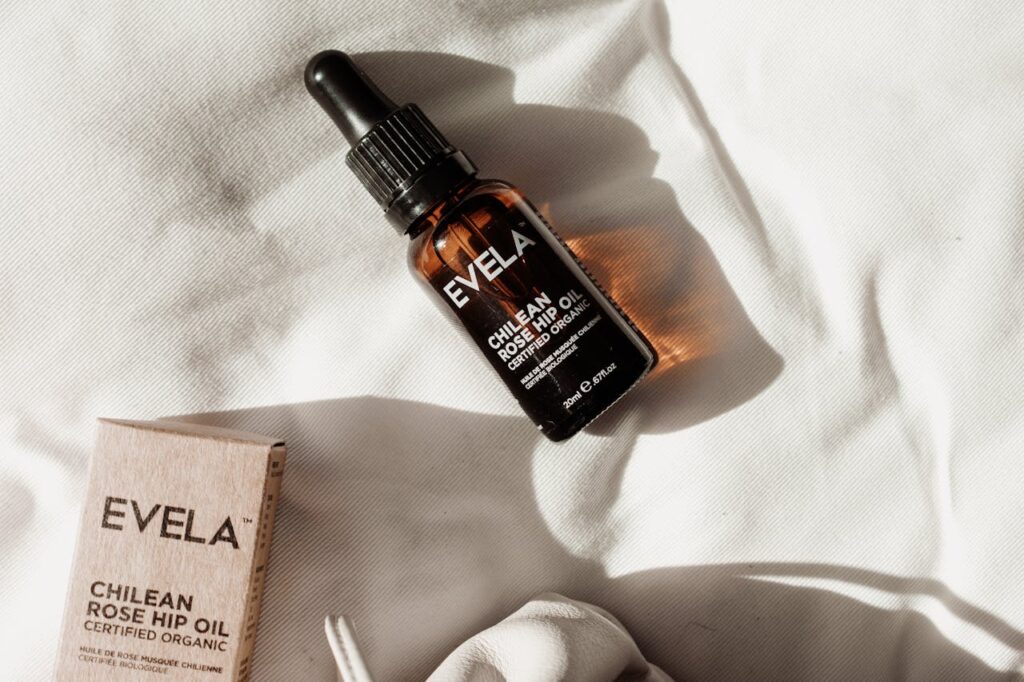
Proper storage also influences how long essential oils can last. Oils that are stored in dark glass containers tend to last the longest. They should also be kept away from light, air, and moisture.
What Happens When Essential Oils Expire?
When essential oils expire, it doesn’t mean that they’re toxic or that you can’t use them. Instead, it’s usually a change to their potency and aroma. In other words, they become less effective. For this reason, if you plan on buying them in bulk, you need to ensure that you have the proper storage options and a timeline to use them at their peak performance.
How Do You Know When Essential Oils Are Expired?
There are a few signs that point to your essential oils being expired, and the best part is that it’s easier to detect this at the wholesale level due to the quantity. Some common examples include:
- Changes in aroma
- Discoloration
- Changes in consistency (thicker or thinner oils)
- Less effective for use in products
- Less potency
Once you notice any of these issues, it’s time to order your next batch of essential oils for the best results.
Examples of How Long Popular Wholesale Essential Oils Last
When it comes to wholesale essential oils, it helps to know how long some of the most popular options last. The good news is that it’s easy to break down the lifespan of some of the more popular options that are used at the wholesale level.
- Frankincense, Citrus Oils, and Tea Tree Oils: These oils are popular for skincare and inflammation, and they have the shortest shelf life of around one to two years.
- Eucalyptus, Spearmint, and Peppermint: These essential oils are great for topical use and aroma diffusion. They tend to last for around two to three years.
- Lavender, Chamomile, and Rosemary: Great for relieving stress and inflammation, these essential oils are potent and can last for three to four years.
- Sandalwood, Patchouli, and Cedarwood: These essential oils maintain their potency and aromas for up to eight years with proper storage. However, four to six years is more likely for wholesale use.
These are only a few examples, but there is a lot of variation in how long essential oils last, so make sure you work with a reputable supplier and ask about the oils you plan on using.
How Long Do Essential Oils Last? Our Final Thoughts
So, how long do essential oils last? Overall, you can expect a shelf life of around two to five years, but it all comes down to the oils you purchase. At the wholesale level, make sure you work with reputable suppliers to avoid issues with your oils.
You also need to ensure that you have the proper storage solutions in place to keep your oil at its peak efficiency for longer periods, especially if the oil comes in larger plastic containers.
Make sure you have some darker glass containers around and always keep an eye on your oil supply for color changes, aroma changes, and other warning signs that they’re expired.

