


Lights drop. A massive leviathan erupts from black water, spray exploding like glass, every ripple and droplet frozen in perfect light. The theater holds its breath. That single second of pure awe didn’t come from a camera on a boat. It came from artists who spent months wrestling with fluid sims, subsurface scattering, muscle deformation under skin that never existed in real life.
In 2026 cinematic VFX isn’t decoration anymore. It’s the soul of the movie. Studios throw hundreds of millions at digital worlds because audiences crave the impossible – and they get it. The artists making the impossible look real? They’re the ones who survived elite training programs that don’t teach “how to draw” – they teach how to deliver when the deadline is yesterday and the director wants “more epic”.
These programs don’t waste time. They throw students straight into actual production pipelines: Maya for modeling, Houdini for chaos sims, ZBrush for organic detail, Nuke for comp, Unreal Engine for virtual production previews. One program that consistently turns out people studios fight over is Vancouver Film School’s 3D Animation & VFX program – a full-on diploma where every day feels like crunch week. Students ship production-grade shots: creatures that breathe, environments that feel lived-in, destruction that looks dangerous. Graduates walk out with reels that make recruiters stop scrolling.
The One Shot That Owns the Film
Big movies live or die on single frames. Remember the glowing jungles in recent fantasy sequels or the crumbling megacities in dystopian epics? Those aren’t practical sets with clever lighting. They’re built in layers: rough geo, ultra-high-res sculpts, procedural scatter, dynamic lighting, atmospheric haze that breathes. One weak link – and the whole illusion collapses like cheap cardboard.
Top training forces artists to think end-to-end. Model with rigging in mind. Rig with animation flow in mind. Animate knowing lighting will make or break it. Because in real studios assets don’t live alone. A bad rig kills the animator’s day. A flat texture ruins the lighters’ work. Programs that mimic that pressure produce people who understand the whole machine, not just their little cog.
From Student Crunch to Studio Morning
The grind in these places is no joke. Weekly deadlines, brutal feedback (“this looks dead, give it soul”), late-night renders that crash at 4 a.m. Students build multiple portfolio pieces: terrifying organic creature, vast alien landscape, explosive destruction sequence, subtle character performance. By graduation the reel is 60-90 seconds of pure fire – shots that scream “I can do this for real”.
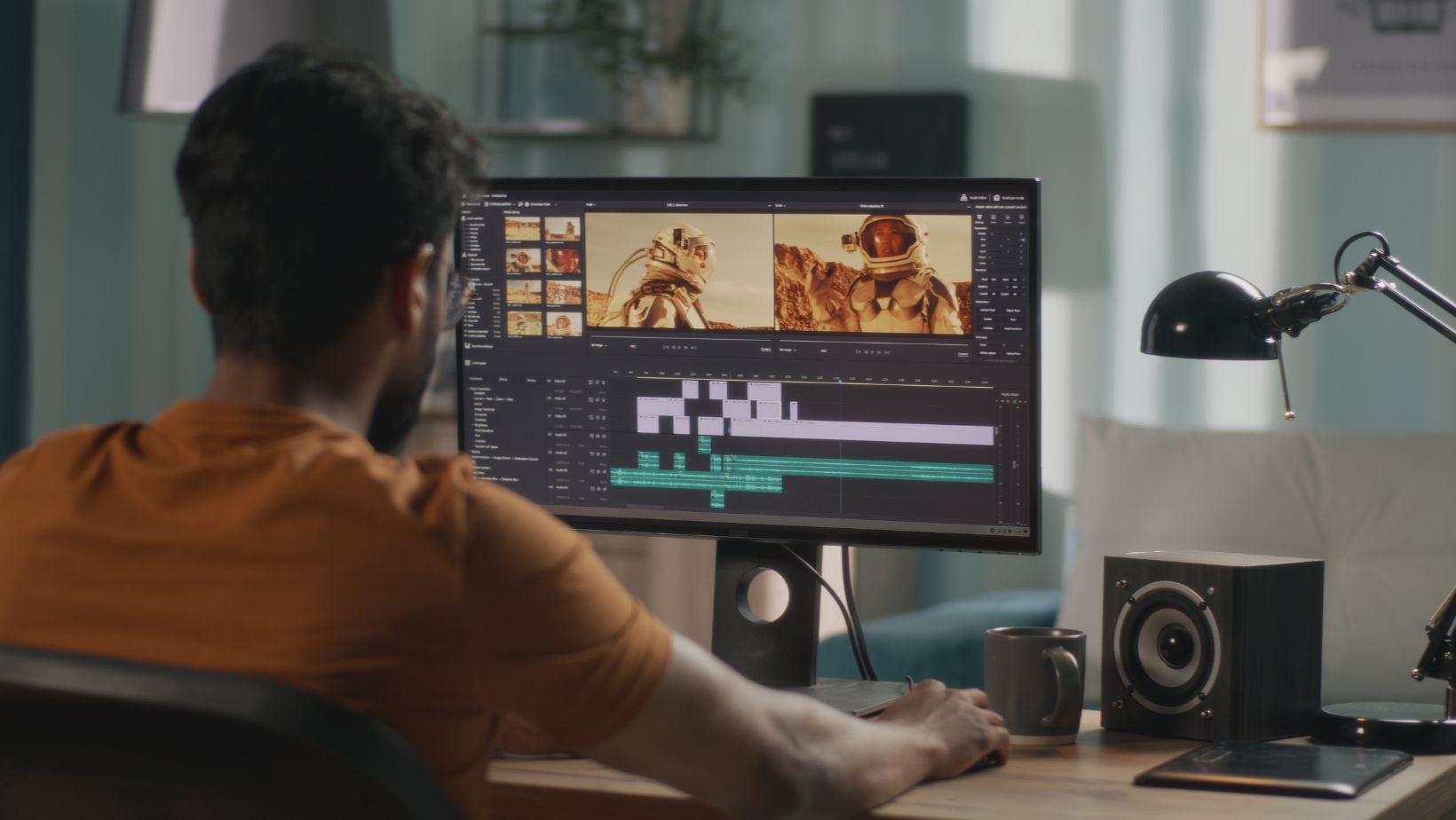
That reel is the golden ticket. Studios hire the visuals first, the resume second. A killer creature shot lands you on a dark fantasy franchise. A procedural world gets you building planets for a streaming giant. A seamless comp makes the director forget anything was ever added in post.
What Gets You Hired (and Keeps You There)
- Command of the current stack – Maya, Houdini, Substance, Unreal for real-time look-dev
- An eye that sees cinema even when everything is fake
- Pipeline sense – assets flow without choking the next department
- Ruthless reel editing – only 3-5 shots that hit hard and show range
- Nerves that don’t snap when notes come at 3 a.m. from three time zones away
The artists who keep learning – virtual production LED volumes, AI cleanup tools, real-time engines – stay booked year after year. The ones who stop? They get left in the dust.
Building Worlds We Can’t Forget
The future looks wild. Real-time rendering wipes away old boundaries between film and games. Virtual production stages kill green screen forever. AI takes the boring grunt work so artists can chase scale, emotion, soul. Blockbusters will keep pushing – bigger worlds, subtler performances, deeper immersion that makes you forget you’re watching pixels.
Elite 3D training isn’t about a piece of paper. It’s about collapsing the distance between “I have this crazy idea” and “the whole theater gasped”. Speed, grit, connections, proof you can deliver when everything is on fire.
The next breathtaking reveal, the next impossible landscape you want to step into, the next quiet tear on a digital face – someone trained hard will create it. And when the lights come up, that work will have earned every second of silence before the applause.
Check out VFS’s online and in-person events across Canada here: https://www.eventbrite.com/o/14579918983?aff=ebdsshios

