


Roughly 1.75 billion people use a VPN right now. Ask most of them to explain what it does, though, and you’ll get blank stares. The tech industry has done a terrible job explaining this stuff in plain terms.
Here’s the thing: VPNs aren’t complicated. The concept goes back to the 1990s, and the basics haven’t changed much. What has changed is how easy they are to use.
The Postcard Problem
Think about what happens when you open a website without a VPN. Your request bounces through your router, hits your ISP’s servers, travels across multiple network hops, and eventually reaches the website. At every stop, someone could technically read your traffic.
It’s a bit like mailing a postcard. The message is right there for anyone who handles it. A VPN changes that completely by scrambling your data before it leaves your device, then sending it through a protected channel that nobody can crack open. Not your ISP, not the sketchy airport Wi-Fi operator, not a hacker sitting three tables away at Starbucks. Your data stays sealed from end to end.
For a solid breakdown of the fundamentals, the explanation of what is VPN at CometVPN covers the two big pieces worth understanding: encryption and tunneling. Your device encrypts everything, shoots it to a VPN server, and that server handles the actual web request. The reply comes back the same protected way.
What the website sees is the VPN server’s IP address, not yours. What your ISP sees is encrypted data going to one location. Nobody has the full picture.
The 50-Millisecond Handshake
So what happens when you hit “Connect”? Your device and the VPN server perform a handshake: they negotiate encryption methods, swap cryptographic keys, and build the tunnel. Takes maybe 50 milliseconds.
The two protocols you’ll see most often are OpenVPN and WireGuard. OpenVPN’s been around for ages and uses SSL/TLS encryption (same stuff protecting online banking). WireGuard is newer and genuinely impressive. It runs on about 4,000 lines of code versus OpenVPN’s roughly 70,000. Fewer lines means fewer places for bugs to hide.
After the handshake, your traffic gets locked with AES-256 encryption. That’s military-grade (yes, that phrase gets overused, but here it’s literally true). Breaking AES-256 with today’s computers would take billions of years.
Tunneling Is the Part People Miss
Most explanations stop at encryption. But encryption only scrambles the contents. Tunneling hides where the data is going.
A VPN tunnel takes your encrypted packet and wraps it inside another packet (engineers call this encapsulation). Anyone watching just sees generic data flowing to one IP address. A Forbes Advisor survey found that 43% of public Wi-Fi users have had their security compromised. On open cafe and airport networks, attackers grab login credentials in real time using man-in-the-middle techniques.
With a VPN tunnel active, that attack hits a wall. Intercepted data is just meaningless noise.
Your IP Address Tells on You
VPNs also swap your IP address for the server’s. Someone in Tokyo can look like they’re browsing from London.
Most people don’t realize how much their IP gives away: general location, internet provider, and a trail linking browsing sessions together. Replace it with a VPN server’s address, and that chain breaks. This is also how people access region-locked streaming content and geo-restricted research databases.
What a VPN Won’t Do
There’s a persistent myth that turning on a VPN makes you invisible online. Not true. Kaspersky’s security team has a good writeup explaining the gaps: VPNs don’t stop malware on your machine, won’t save you from phishing links, and browser fingerprinting works just fine through a VPN.
If you’re logged into Google or Facebook, those companies still know what you’re doing. Cookies don’t care about your IP. And free VPN apps are another concern, since some fund operations by selling the browsing data they promised to protect.
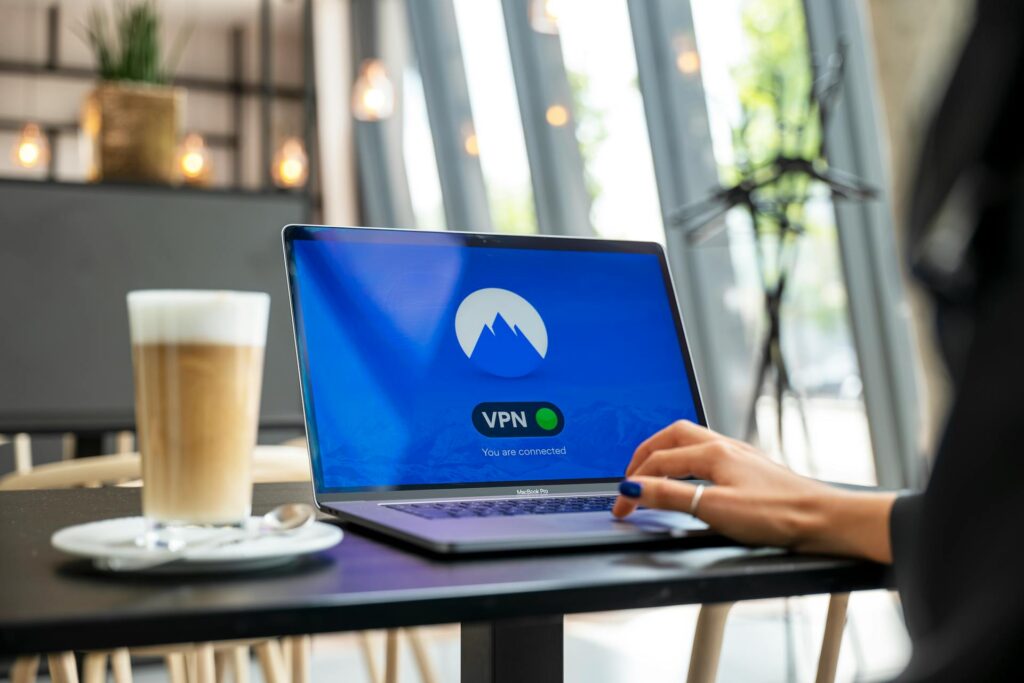
Picking a Provider That’s Worth It
Honestly, the VPN market is a mess. Every provider claims the fastest, most secure service. Cut through the noise by checking whether they’ve published an independent no-logs audit, and whether they own their servers or resell someone else’s capacity.
On speed, don’t stress. A VPN server in your own region typically adds 10-20% latency, which most people won’t notice.
Where Things Are Heading
VPN protocols are getting ready for a post-quantum world. Researchers are building encryption algorithms that can survive quantum computing, and WireGuard’s compact codebase makes it a natural fit for those upgrades.
Split tunneling is worth knowing about too, since it routes only sensitive apps through the VPN while everything else connects normally.
The basic principle is the same one the Department of Defense landed on decades ago: build a private path across a public network, and don’t let anyone peek inside.

