


Passwords were never a good system. They were a tolerable one — a compromise between security and convenience that held up reasonably well when people had three accounts and a working memory for alphanumeric strings. That era is over. The average internet user now manages well over a hundred credentials, reuses them across sites at alarming rates, and loses access to accounts with a frequency that has turned “Forgot your password?” into one of the most clicked links on the web. Online casinos, where accounts hold real money and real personal data, are among the first digital industries to push beyond this broken model entirely.
Biometric authentication — fingerprint scanning, facial recognition, and increasingly voice and behavioral patterns — is moving from novelty feature to default login method across the gambling sector. The shift isn’t driven by marketing. It’s driven by math: biometrics are harder to steal, faster to use, and dramatically more difficult to share or fake.
How Biometric Casino Login Actually Works
The mechanics are simpler than most players assume. When you register on a platform that supports biometric login, the process typically follows a predictable sequence:
- During account creation, the platform prompts you to enable biometric access through your device’s native security — Face ID, Touch ID, or their Android equivalents
- Your device generates a cryptographic key pair, storing the private key locally on the device’s secure enclave — the casino never receives or stores your actual fingerprint or facial map
- On subsequent logins, the device authenticates you locally, then sends a signed token to the casino server confirming your identity without transmitting biometric data
- For high-risk actions like withdrawals or personal data changes, the platform may trigger an additional biometric check as a second verification layer
The critical detail most players miss is step two: the biometric data itself never leaves your phone. What the casino receives is a cryptographic confirmation, not a scan of your face. This architecture — built on standards like FIDO2 and WebAuthn — means that even if the casino’s servers were breached, attackers would find no usable biometric information.
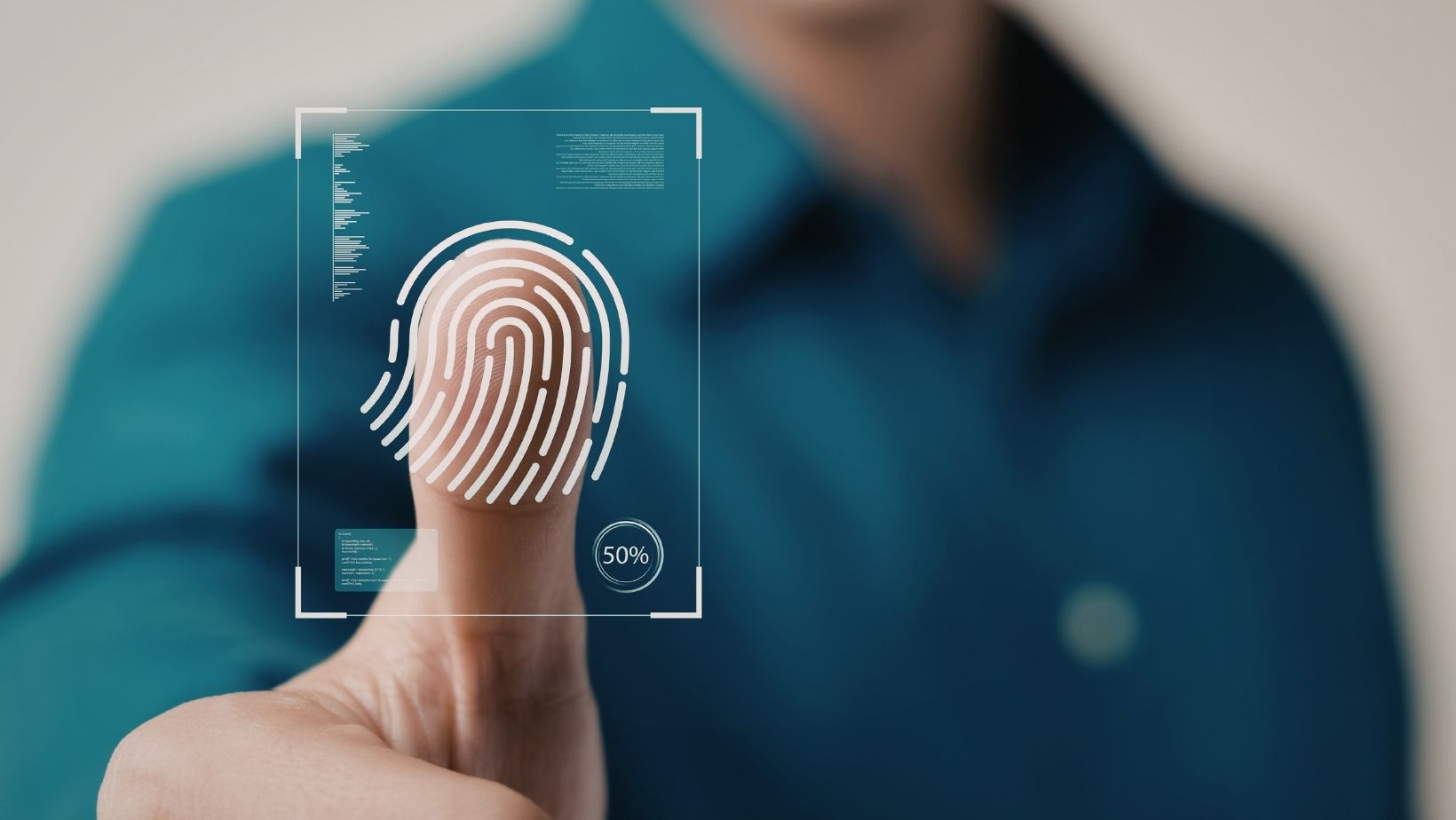
The experience that results feels almost deceptively simple. Where a traditional ice casino login might involve typing a username, entering a password, and possibly completing a two-factor authentication step, a biometric-enabled session begins with a glance or a thumbprint and ends with immediate access — typically in under two seconds.
Why the Gambling Industry Is Moving First
Online casinos face a unique combination of pressures that make biometric adoption especially urgent. Financial accounts that hold real balances attract credential-stuffing attacks. KYC and AML regulations demand reliable identity verification. Self-exclusion programs require accurate identification across platforms. And the competitive pressure to reduce login friction — every extra second in an authentication flow costs player engagement — is intense.
The 2024 Global Gaming Expo in Las Vegas showcased facial recognition systems embedded directly into slot machines and table games, capable of identifying nearly every player on a casino floor. Current tracking methods capture only about 15% of players and 45% of gaming revenue. Biometric systems could push those figures to 99% and 95%, respectively — a transformation in how operators understand and serve their audience.
For online platforms, the benefits are equally concrete. Biometric login eliminates the single largest source of account support tickets: password resets. It blocks multi-accounting, which violates virtually every operator’s terms of service. And it creates a foundation for responsible gaming tools that actually work — a self-exclusion request tied to a facial scan is far harder to circumvent than one tied to an email address.
The Privacy Question That Won’t Go Away
For all its advantages, biometric authentication raises legitimate concerns that deserve direct answers rather than dismissal.
| Concern | Reality |
| “The casino stores my fingerprint” | Modern systems store only a mathematical representation, not the biometric itself; raw data stays on your device |
| “A data breach would expose my face” | FIDO2 architecture means the server holds cryptographic keys, not facial maps — a breach yields nothing usable |
| “I can’t change my fingerprint like I change a password” | True, but the cryptographic keys can be revoked and reissued without compromising the underlying biometric |
| “Biometrics could track my behavior beyond login” | Legitimate operators use biometrics strictly for authentication; behavioral tracking uses separate analytics systems |
| “The technology isn’t reliable enough” | False rejection rates on modern devices sit below 1%, with liveness detection blocking photo and video spoofing attempts |
The more substantive concern is about consent and scope creep. When biometric systems extend beyond authentication into areas like mood detection or behavioral profiling, the ethical calculus changes significantly. The distinction matters: using a fingerprint to confirm identity at login is fundamentally different from using facial analysis to assess emotional state during play. Responsible operators draw a clear line between the two, and players should look for platforms that specify exactly how biometric data is used in their privacy policies.
What Comes After the Password
The trajectory is clear. Nearly 50% of consumers already use biometric methods to access mobile apps regularly, and that figure is climbing. As FIDO2 adoption expands and device manufacturers continue embedding stronger biometric hardware, the password-first login will increasingly feel like dialing a rotary phone — functional in theory, absurd in practice.
For online casino players, the practical advice is straightforward. Enable biometric login wherever it’s offered, since it’s both more secure and faster than any password you could create. Verify that the platform uses device-level authentication rather than server-side biometric storage. And read the privacy policy’s biometric section before opting in — not because most operators are doing something wrong, but because the ones who are transparent about their approach are the ones worth trusting with your money.

