


Where to travel at the end of the winter season
The end of winter often brings a change in travel priorities. Crowds thin out, prices adjust, and weather patterns become more predictable. Many destinations feel calmer during this period. This makes late winter appealing for thoughtful travel rather than peak-season movement.
Seasonal timing shapes travel choices more than location alone. Cultural events, light conditions, and local routines define the experience. Observations drawn from this 5 leading winter festivals overview source show how late winter still offers active calendars. Festivals, markets, and local traditions remain visible without high-season pressure.
Late winter travel also allows flexibility. Travellers balance colder landscapes with early signs of spring. This transition period suits those seeking variety rather than extremes. It also supports slower, more observational travel styles.
Cities that feel different after peak winter
Many cities change character once winter holidays pass. Streets grow quieter, while museums and cafés become more accessible. Shorter queues and calmer transport improve movement across urban spaces. This shift suits travellers who value atmosphere over spectacle.
Southern European cities often show this contrast clearly. Daylight increases while temperatures remain manageable. Walking becomes easier, and accommodation availability improves. The pace supports longer stays rather than quick visits.
Late winter city travel often benefits from:
- Reduced accommodation costs
- Better access to cultural venues
- Milder daytime temperatures
- Less congested public transport
These conditions favour planning-focused travellers.
Mountain regions after high season
Mountain destinations also enter a new phase by late winter. Ski activity slows, but landscapes remain dramatic. Villages feel more local once visitor numbers drop. This period highlights daily life rather than tourism cycles.
Some regions shift focus during this time. Local events replace large-scale sports tourism. Services continue, but with fewer time pressures. This environment supports deeper engagement with place.
Coastal destinations during seasonal change
Coastal regions often benefit from late winter travel. Weather stabilises, while winds reduce in many areas. Beaches feel open and unstructured. Coastal towns return to everyday rhythms.
Sea temperatures remain cooler, but walking routes and viewpoints stay active. Cafés and markets continue regular schedules. This period suits travellers interested in routine rather than resort dynamics.
From a commercial perspective, platforms like the 1xbet company observe seasonal travel interest patterns. These patterns reflect how entertainment and travel cycles align. Late winter often shows steady, informed movement rather than impulse travel.
Regions offering early spring signs
Some destinations begin showing spring indicators earlier than others. Blossoms appear, daylight extends, and outdoor seating returns. These signs change how places feel without full seasonal transition.
Travellers often seek these early changes. They offer renewal without summer heat. The experience feels observational rather than recreational. This appeals to those avoiding seasonal extremes.
Such regions often provide:
- Early floral displays
- Comfortable walking weather
- Active local markets
- Transitional cultural events
This combination creates balanced travel experiences.
Budget flexibility
Late winter often supports careful budgeting. Accommodation pricing adjusts to reflect lower occupancy. This allows longer stays or upgraded options.
Flexibility increases during this period. Changes in itinerary become easier. Local transport systems face less strain. These factors support adaptive travel planning.
Travel behaviour tracked through platforms like 1xbet reflects similar seasonal adjustments. User interest patterns shift towards planning rather than immediate action. This mirrors broader travel behaviour trends.
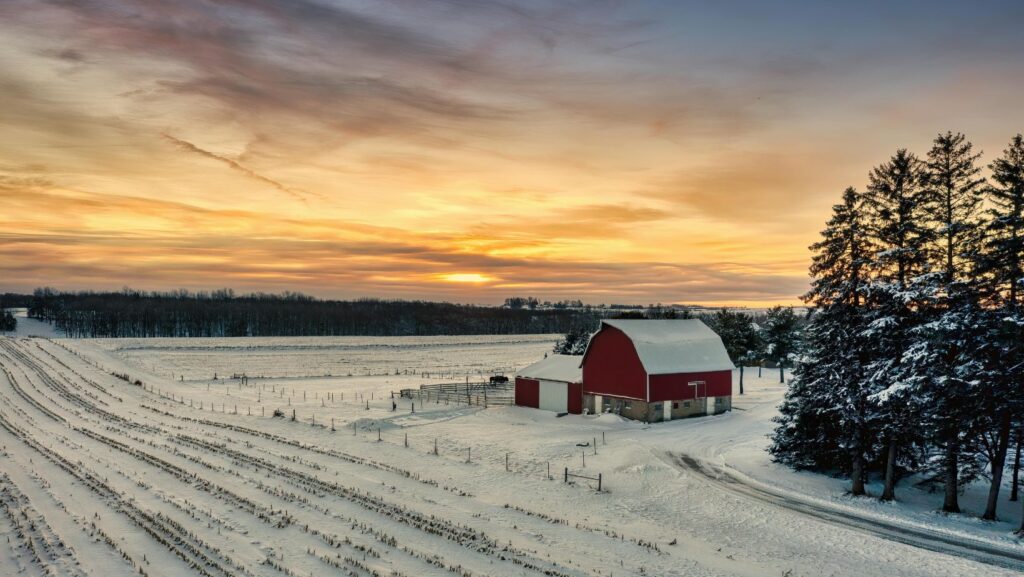
Practical travel rhythm at season’s end
Late winter travel rewards patience and preparation. Weather remains variable, but patterns stabilise. Packing requires balance rather than specialisation. This simplicity reduces friction.
Travellers often spend more time observing than rushing. Cafés, viewpoints, and neighbourhoods become central. This rhythm contrasts with peak-season schedules.
On digital platforms such as the 1xbet site, seasonal engagement also slows into steady routines. This parallel highlights how travel and leisure habits align during transitional periods.
Looking ahead beyond winter
The end of winter represents more than a calendar shift. It marks a change in how destinations present themselves. Energy turns inward before expanding again. Travellers who visit during this phase often notice details others miss.
Late winter travel suits those seeking context over contrast. It offers access without excess. For many destinations, this period provides the clearest view of daily life.

