


Industrial workbenches form the backbone of productivity in large facilities. They support assembly lines, repair stations, inspection areas, and storage zones with equal importance. Selecting the right models influences workflow, safety standards, and long-term efficiency.
Facility managers face complex demands when sourcing equipment for expansive operations. Heavy loads, diverse tasks, and strict compliance rules require careful evaluation before purchase. Thoughtful planning prevents costly adjustments and ensures reliable performance across departments.
Load Capacity and Structural Strength
Load capacity is a primary factor when assessing industrial workbenches, such as LISTA workbenches. Large facilities handle heavy machinery parts, dense materials, and specialized tools that place constant pressure on surfaces. When budgeting for high-load stations, collaborating with estimating companies can clarify total costs—from custom tops to installation—before you finalize a purchase. Weak frames or thin tops can lead to structural failure and safety hazards.
Steel gauge, joint reinforcement, and surface thickness deserve close inspection. Solid welded frames provide greater durability than light bolted assemblies. Reinforced legs and cross supports help maintain stability during repetitive tasks and high-impact activities.
Material Quality and Surface Durability
Material selection directly affects lifespan and maintenance costs. Hardwood tops are suited for precision tasks, while stainless steel surfaces handle moisture and chemical exposure. Laminate surfaces serve lighter assembly areas with moderate wear levels.
Surface resistance to scratches, corrosion, and heat should align with operational demands. Protective coatings extend durability and reduce surface damage over time. Careful material matching ensures each department receives equipment suited to its environment.
Workspace Dimensions and Layout Compatibility
Space planning plays a vital role in large-scale facilities. Workbench dimensions must align with floor plans, aisle clearances, and workstation spacing. Oversized units can obstruct movement, while undersized tables restrict task efficiency.
Proper height selection improves ergonomics and reduces strain for employees. Adjustable height models accommodate diverse tasks across shifts. Smart layout alignment strengthens productivity without disrupting established workflows.
Safety and Compliance Essentials
Industrial environments require strict adherence to safety regulations. Workbenches should meet local standards and internal compliance policies. Fire resistance, grounded electrical components, and load testing certifications add assurance.
Key safety features to review include:
- Anti-slip feet for stable positioning on smooth floors.
- Rounded edges to reduce accidental injury.
- Integrated cable management to prevent tripping hazards.
- Proper grounding for electrical safety compliance.
Attention to these elements reduces workplace incidents and supports regulatory approval. Strong safety integration builds trust among supervisors and workers alike.
Customization Options and Functional Add-Ons
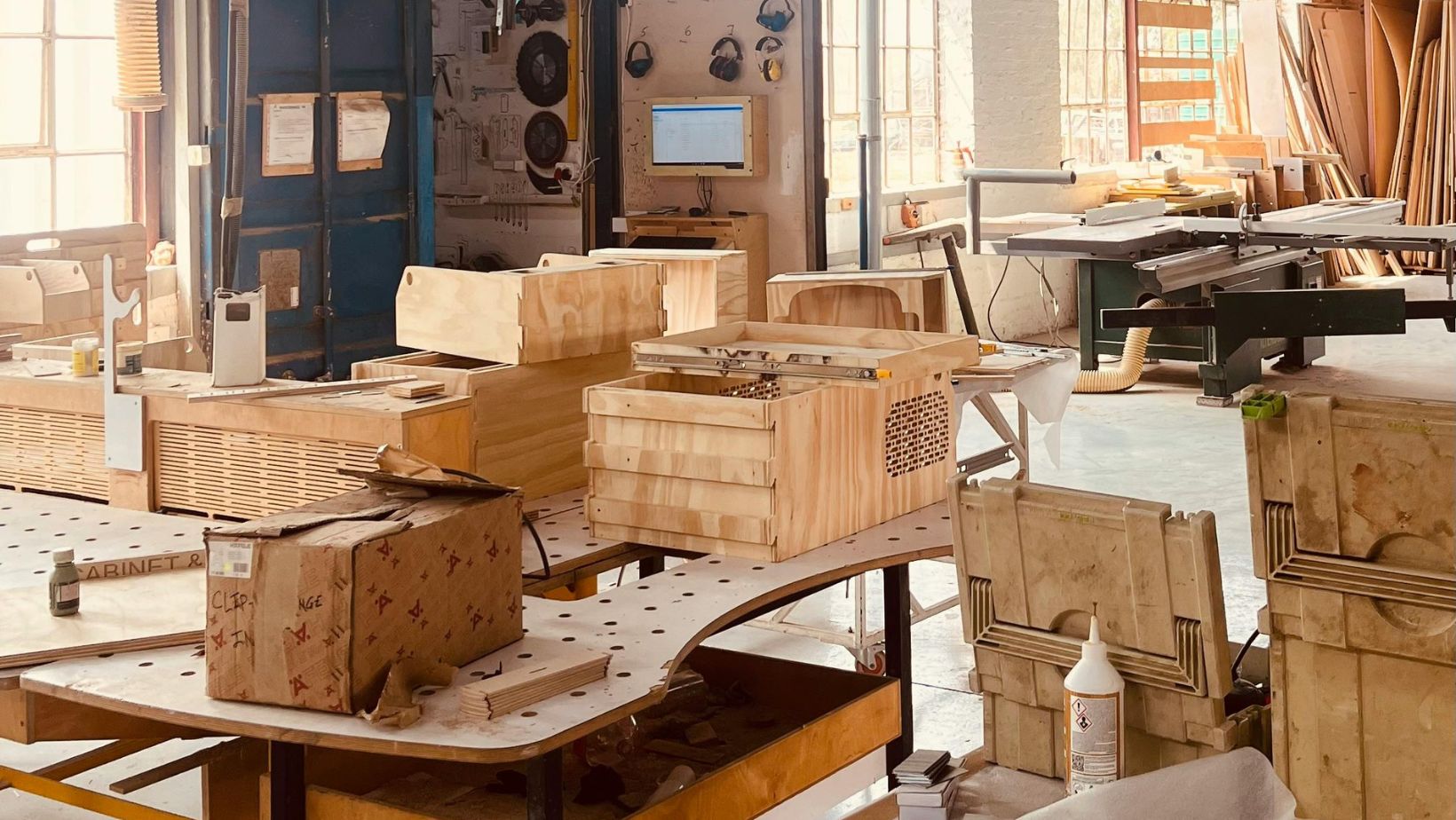
Large facilities rarely operate with identical task requirements. Customization ensures workbenches adapt to varied operational needs. Modular designs allow integration of drawers, shelving, lighting, and tool panels.
Important add-ons to consider include:
- Heavy-duty locking drawers for secure tool storage.
- Overhead lighting systems for precision tasks.
- Power strips with surge protection for equipment support.
- Pegboards and racks for organized tool access.
Functional enhancements increase efficiency while keeping work areas organized. Flexible configurations allow departments to tailor stations to specific workflows without replacing entire units.
Long-Term Value and Maintenance Planning
Cost evaluation should extend beyond the initial purchase price. Durable construction reduces repair expenses and extends service life. Maintenance requirements influence downtime and operational continuity.
Warranty terms provide insight into the manufacturer’s confidence. Accessible replacement parts simplify upkeep and prevent prolonged disruptions. Reliable supplier support strengthens long-term operational stability across large facilities.
So, the selection of industrial workbenches, for instance, LISTA workbenches, requires strategic evaluation and careful comparison. Structural integrity, material quality, safety features, and customization define long-term success. Smart decisions create stable, efficient, and secure work environments for large-scale operations.

