


Landscapes Shaped by Wind, Water, and Memory
The British and Irish Isles carry a landscape language of their own, written in rolling green hills, jagged coastlines and ancient stone ruins that appear suddenly beside quiet roads. Across Scotland and Ireland, history is not confined to museums but embedded in the land itself, where castles, standing stones and medieval villages remain part of everyday scenery.
Travelling through these regions reveals a rhythm shaped by weather and terrain, where mist moves quickly across valleys and the sea is never far from sight, even deep inland.
Scotland’s Highlands and the Scale of Silence
Scotland’s Highlands offer some of the most dramatic scenery in Europe. Long glens stretch between towering peaks, while lochs reflect shifting skies that change the mood of the landscape within minutes. Roads wind through vast open spaces where human presence feels small against the scale of nature.
In places like Glencoe, the terrain becomes especially striking, with steep-sided valleys carved by ancient geological forces. Further north, the Isle of Skye introduces a more rugged coastline, where cliffs, sea stacks and winding roads create a sense of remote beauty.
Many travellers explore this region through carefully planned Scotland tours, which connect cities like Edinburgh and Inverness with the Highlands, islands and coastal routes that define the country’s identity.
Edinburgh’s Historic Core and Cultural Energy
Edinburgh brings a different pace to Scotland’s landscape. The city rises between volcanic hills, with its Old Town and New Town offering contrasting architectural styles that reflect different periods of growth.
The Royal Mile connects Edinburgh Castle with the Palace of Holyroodhouse, passing narrow closes, historic courtyards and traditional shops along the way. Just beyond the centre, Arthur’s Seat provides panoramic views across the city and surrounding coastline.
Festivals, museums and literary traditions give Edinburgh a cultural depth that complements the natural grandeur of the Highlands, making it a strong starting point for wider regional exploration.
Ireland’s Green Heart and Coastal Edge
Ireland’s landscapes are defined by softness and contrast. Rolling green fields give way to dramatic cliffs along the Atlantic coast, while quiet rural roads lead to towns where music and storytelling remain central to local identity.
Travelling through the country is often part of the experience itself, especially when following routes included in Ireland tours, which link Dublin with coastal regions and historic towns across the island.
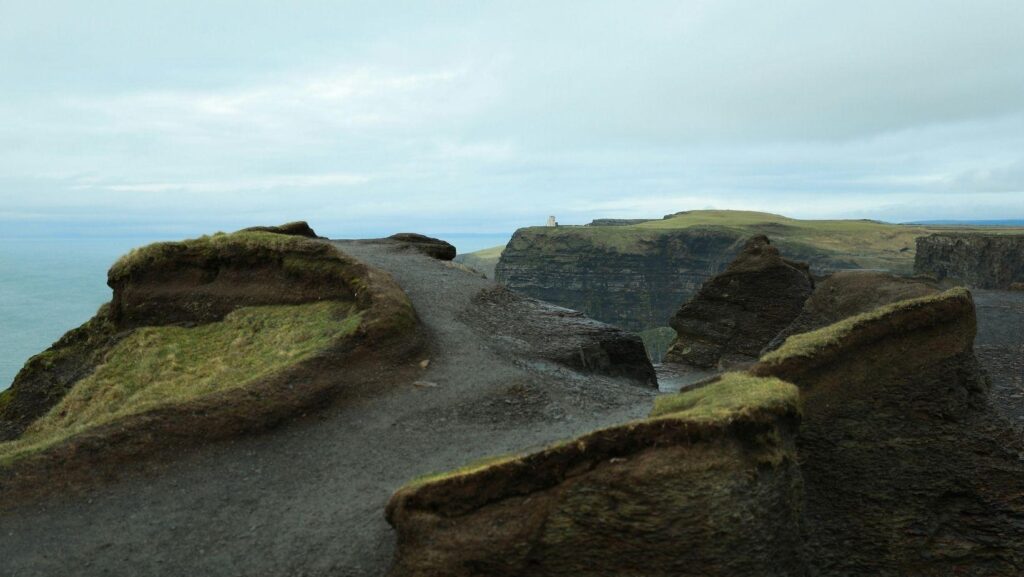
The west coast is particularly striking, with regions like Connemara and County Clare offering windswept scenery shaped by ocean forces. The Cliffs of Moher rise sharply above the sea, while inland areas reveal stone walls, lakes and peat-rich boglands that reflect centuries of rural life.
Dublin’s Blend of Literature and Modern Life
Dublin combines historical depth with a lively contemporary atmosphere. Georgian architecture lines elegant streets, while modern cafés, galleries and tech districts reflect the city’s evolving identity.
The River Liffey divides the city, with bridges connecting cultural landmarks such as Trinity College and the historic Docklands. Literary heritage remains a strong influence, with museums and walking routes dedicated to writers who shaped global literature.
Despite its capital status, Dublin retains a welcoming, human scale that makes it easy to explore on foot.
Castles, Ruins, and Living History
Both Scotland and Ireland are defined by their historic structures, many of which remain integrated into natural landscapes. Castles perched on cliffs or surrounded by lakes create a sense of continuity between past and present.
In Scotland, fortified towers and Highland estates reflect centuries of clan history and territorial change. In Ireland, monastic ruins and medieval strongholds tell similar stories of settlement, conflict and survival. These sites are not isolated relics but part of everyday scenery, often standing beside roads, villages and grazing land.
Coastal Roads and Changing Weather
Weather plays a central role in shaping travel experiences across the Isles. Sunlight, rain and mist can transform the same landscape within hours, creating constantly shifting perspectives.
Coastal routes in both countries offer some of the most memorable drives and walks, where cliffs meet open ocean and small harbours appear unexpectedly around bends in the road. The interplay of light and water gives these journeys a sense of movement even when standing still.
Music, Storytelling, and Cultural Identity
Cultural traditions remain deeply rooted in both Scotland and Ireland. Music sessions in local pubs, traditional storytelling and regional festivals continue to play an important role in community life.
In rural areas, these traditions often feel closely tied to place, reflecting the landscapes that surround them. In cities, they blend with modern influences, creating a cultural identity that is both historic and contemporary. This balance between tradition and evolution is one of the defining characteristics of the Isles.
A Region Connected by Landscape and Heritage
Scotland and Ireland offer two distinct interpretations of northern landscapes, yet they share a deep connection through history, culture and environment. From Highland valleys and Atlantic cliffs to vibrant cities and quiet rural towns, each region contributes a different expression of life shaped by land and sea.
Together, they form a travel experience where scenery and heritage are inseparable, and where every journey feels linked to something larger than the destination itself.

