


Cities and Towns Shaped by Sound and Routine
Across the British and Irish Isles, daily life often unfolds to a backdrop of music, market chatter and the steady rhythm of urban transport. From historic port cities to inland market towns, cultural identity is expressed as much through routine as through landmarks.
Public squares, railway stations and neighbourhood streets act as shared spaces where tradition and modern life intersect, creating environments that feel both familiar and constantly in motion.
London’s Layers of Performance and Everyday Life
London remains one of Europe’s most diverse cultural centres, where historic theatres sit alongside experimental music venues and street performers animate public spaces. The West End continues to define commercial theatre, while smaller districts such as Camden and Shoreditch support independent music scenes.
Markets play a similarly important role in shaping the city’s character. Borough Market and smaller neighbourhood markets bring together food producers, artisans and visitors in spaces that blend commerce with social interaction.
Connections across the country are equally central to London’s identity, with routes such as the London to Manchester trains linking two of the UK’s most influential cultural and industrial cities, each with its own distinct musical and artistic heritage.
Manchester’s Industrial Echo and Creative Reinvention
Manchester’s identity has long been shaped by its industrial past, but today it is equally recognised for its music history and creative industries. Former warehouses now house recording studios, galleries and performance spaces, reflecting a city that has continually reinvented itself.
Neighbourhoods such as the Northern Quarter highlight this transformation, where street art, independent cafés and live music venues contribute to a strong sense of local culture. The city’s musical legacy remains visible in venues that continue to host emerging artists alongside established names.
Manchester’s blend of heritage and innovation makes it a key point in understanding how urban culture evolves across the UK.
Dublin’s Literary Streets and Musical Energy
Dublin offers a more compact but equally vibrant cultural experience. The city’s literary traditions are visible in museums, statues and walking routes dedicated to writers who shaped global literature, while its music scene remains central to everyday life.
Traditional pubs often host live performances, where folk music and storytelling continue in informal settings. At the same time, contemporary venues and festivals ensure that the city’s creative output remains dynamic and diverse.
Urban movement within Ireland connects Dublin to other cultural centres, with routes such as trains from Dublin to Galway allowing travellers to move between the capital and the west coast’s more relaxed towns and landscapes.
Galway’s Coastal Rhythm and Local Expression
Galway presents a different tempo compared to Dublin’s urban intensity. Located on Ireland’s west coast, the city blends maritime influence with a strong artistic identity. Narrow streets host craft shops, music sessions and cafés that reflect a close-knit creative community.
Street performances are a regular feature, particularly during festival periods when the city’s population expands with visitors and artists. The proximity to the Atlantic also influences daily life, from weather patterns to seafood traditions that shape local cuisine.
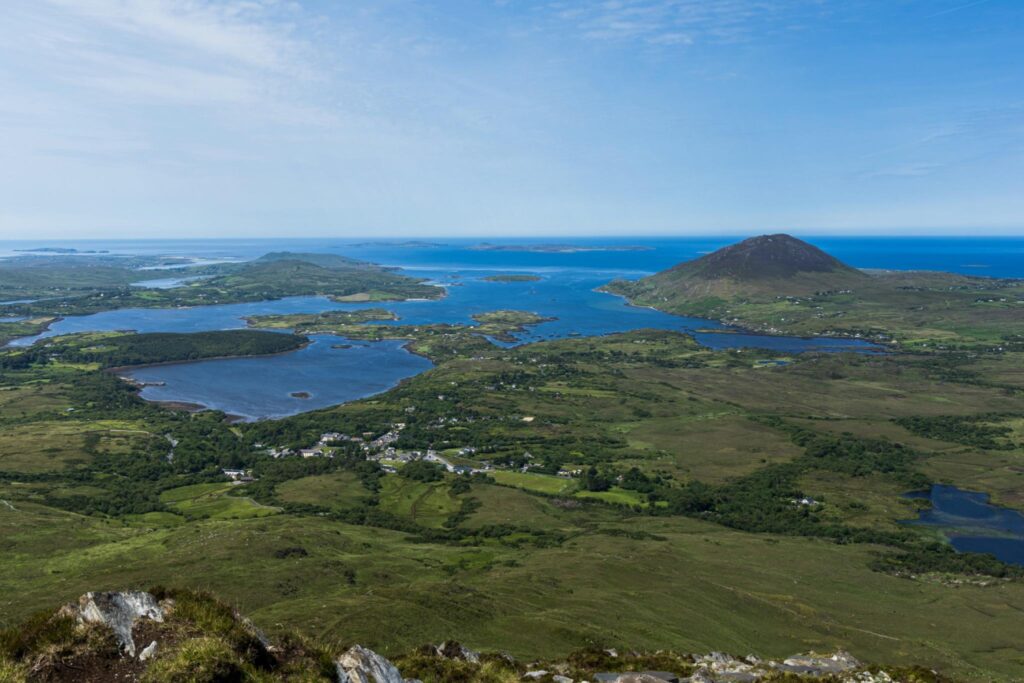
Galway acts as both a destination and a gateway to Ireland’s western landscapes, where cultural expression often feels closely tied to the natural environment.
Market Towns and Regional Identity
Beyond major cities, market towns across the Isles continue to play an important role in maintaining regional traditions. Weekly markets bring together farmers, craftspeople and residents, reinforcing local economies and social networks.
In England, towns in regions such as Yorkshire and the Midlands preserve historic market squares that remain active today. In Ireland and Scotland, similar traditions persist, often alongside modern retail spaces, creating a blend of old and new that reflects gradual change rather than abrupt transformation. These towns offer a slower perspective on life, where community interaction remains central to daily routine.
Music as a Shared Cultural Language
Music provides a unifying thread across the Isles, shaping both urban and rural identity. From traditional folk sessions in Irish pubs to contemporary indie scenes in British cities, musical expression reflects regional differences while maintaining shared cultural roots.
Live performance remains deeply embedded in public life, whether in dedicated venues or informal gatherings. This accessibility ensures that music continues to evolve naturally, influenced by both local traditions and global trends.
Festivals across the region further highlight this connection, bringing together artists and audiences in spaces that often blur the line between performance and participation.
Transport Networks and Cultural Exchange
Rail and road networks have long supported cultural exchange across the Isles. Journeys between cities and towns are not only practical but also part of the experience, offering views of changing landscapes that reflect regional diversity.
Modern rail systems make it possible to move efficiently between major cultural centres, supporting both tourism and daily commuting. This connectivity has helped strengthen relationships between cities while preserving their individual identities. The ease of movement encourages exploration beyond single destinations, revealing how closely linked urban and rural life remains.
A Connected Cultural Landscape
The British and Irish Isles form a network of cities, towns and regions where music, markets and everyday traditions remain deeply intertwined. From the creative energy of Manchester and Dublin to the quieter rhythms of market towns and coastal communities, each place contributes to a broader cultural mosaic.
Together, they reflect a landscape where heritage and modernity coexist, shaped by movement, performance and the shared spaces that continue to define life across the region.

