


Varicose veins are more than a cosmetic nuisance; for many people, they cause discomfort, disrupt daily routines, and can signal underlying venous disease that worsens over time. When symptoms persist, seeking varicose vein treatment near Arabian Views from a specialist focused on leg health and patient comfort can help restore mobility, confidence, and long-term circulation health. A qualified vein specialist evaluates root causes, confirms diagnosis with appropriate imaging, and recommends modern treatments that prioritize effectiveness, minimal downtime, and comfortable recovery. This article explains the causes of varicose veins, how diagnosis works, and the treatment options available today, offering practical guidance for busy professionals, including online entrepreneurs and remote workers who spend long hours seated, who want clear, reliable information before pursuing care.
Understanding Varicose Veins: Causes and Symptoms
What Causes Varicose Veins
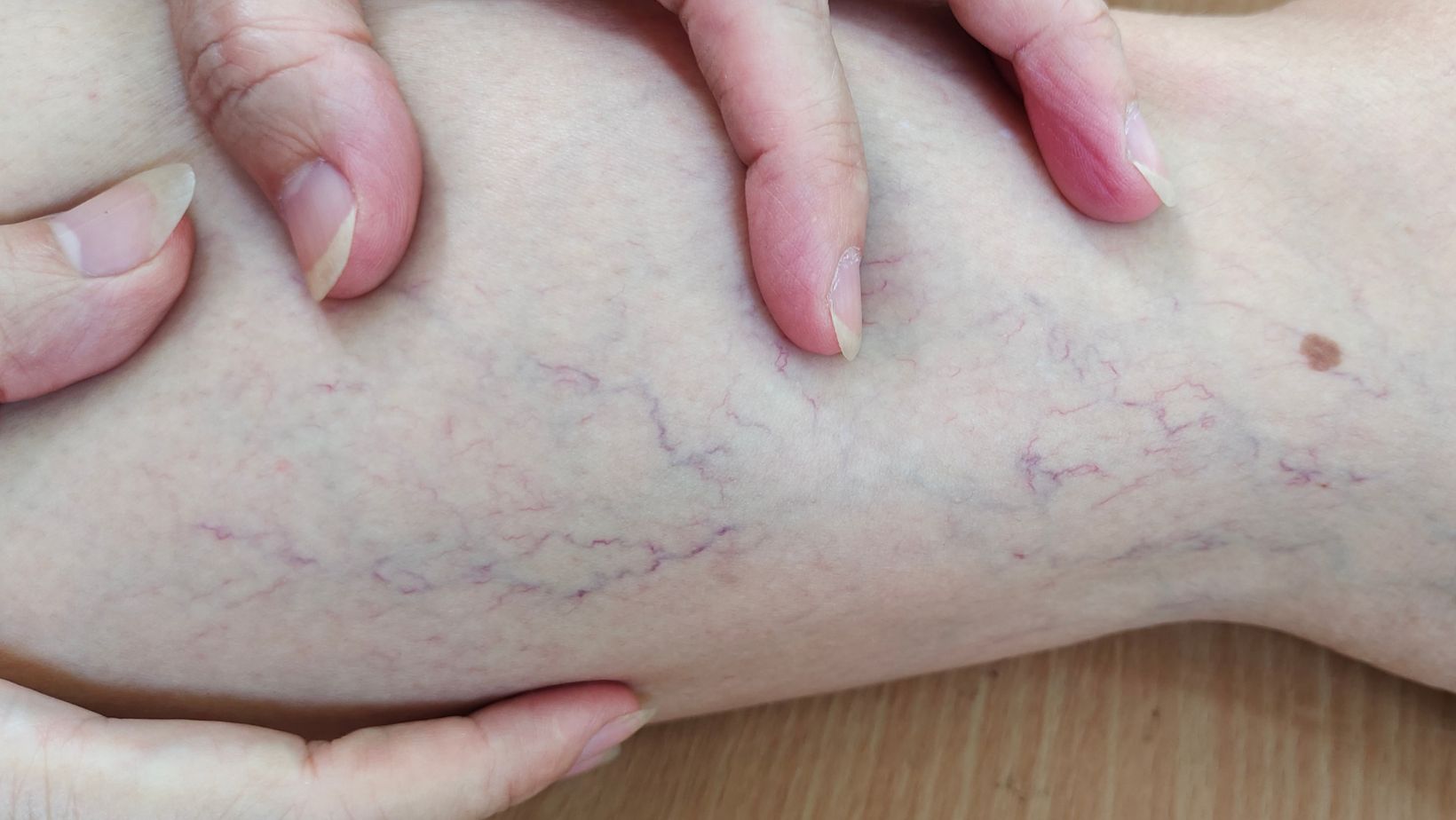
Varicose veins develop when the one-way valves inside leg veins weaken or fail, allowing blood to pool and veins to dilate. Factors that increase risk include age-related valve degeneration, genetics, pregnancy (hormonal and volume changes), obesity, prolonged standing, and extended sitting.
Hormonal changes, such as those caused by pregnancy or hormone therapy, also influence vein wall laxity. Occupational stresses, retail workers who stand all day or drivers with prolonged sitting, share similar risk profiles, which is why tailoring prevention and treatment to lifestyle matters.
Common Signs and When to See a Specialist
Typical signs are visible, swollen, twisted veins (often blue or dark purple), aching or heavy legs, burning, throbbing, cramping, and swelling around the ankles. Symptoms frequently worsen at the end of the day or after extended sitting or standing. Skin changes, dryness, discoloration, or eczema, and persistent ulcers around the ankle indicate more advanced venous disease and warrant prompt specialist attention.
A varicose vein specialist should be consulted when symptoms affect quality of life, when there’s progressive swelling or skin changes, or when pain interrupts work and mobility. For the target audience of online entrepreneurs and agencies, even mild symptoms can translate into lost productivity: early evaluation helps avoid preventable downtime and supports sustained comfort for long workdays.
Diagnostic Approach and Evaluation
Clinical Examination and Medical History
A thorough evaluation begins with a focused medical history and clinical exam. The specialist documents symptom duration, triggers, family history of venous disease, previous leg procedures, pregnancies, and work habits, including hours seated or standing. The physical exam inspects vein patterns, assesses for edema, skin changes, and signs of complicated venous disease such as inflammation or ulceration.
Measuring ankle and calf circumference and performing simple bedside tests (like the Trendelenburg or manual compression test) helps the clinician determine whether superficial or deep venous systems are involved. This clinical context guides the choice of imaging tests and the subsequent treatment plan.
Vascular Imaging and Tests
Duplex ultrasound is the gold standard for diagnosing varicose veins. It assesses blood flow, detects reflux (backward flow), maps incompetent veins, and identifies deep vein thrombosis or pelvic venous sources. For most patients, a comprehensive venous duplex of the lower extremities provides all information needed to plan treatment.
In selected cases, for example, when pelvic congestion or complex anatomy is suspected, additional imaging such as CT venography or MR venography may be used. Functional assessments, including venous pressure measurements and photoplethysmography, are sometimes incorporated when planning advanced reconstruction. A credible specialist discusses test findings clearly, linking them to symptoms and realistic outcomes so patients can make informed decisions.
Treatment Options Emphasizing Comfort and Recovery
Conservative Therapies: Compression, Lifestyle, and Medications
Conservative care is the first-line approach for many patients, especially those with mild symptoms or who want to defer procedures. Medical-grade compression stockings improve venous return, reduce swelling, and relieve aching. A specialist will recommend appropriate compression levels (measured in mmHg) and fit; proper sizing matters for comfort and compliance.
Lifestyle interventions also play a major role: regular walking or a calf-strengthening exercise, periodic standing breaks for remote workers, weight management, and leg elevation after long work sessions. Over-the-counter analgesics and topical agents can manage discomfort short-term, while prescription medications (for example, venoactive drugs used in some countries) may provide symptomatic relief.
Minimally Invasive Procedures: Sclerotherapy and Endovenous Ablation
When conservative measures aren’t enough, minimally invasive options offer high success with shorter recovery than traditional surgery. Sclerotherapy injects a solution or foam into veins, causing them to collapse and fade. It’s effective for smaller varicosities and spider veins and is often performed in a clinic with minimal downtime.
Endovenous thermal ablation (using radiofrequency or laser) treats larger, refluxing saphenous veins by closing the faulty vein from the inside. These procedures are typically done under local anesthesia in an outpatient setting. They deliver predictable results, low complication rates, and a quick return to normal activity, critical for busy professionals who can’t afford prolonged absence from work. Non-thermal techniques, such as mechanochemical ablation and cyanoacrylate glue, provide alternatives that reduce post-procedure discomfort and eliminate the need for tumescent anesthesia.
Surgical Options and Recovery Considerations
Recovery varies by procedure: minimally invasive treatments allow most patients to resume work and light activity within days, while surgical options may require a longer recovery and intermittent time off. Specialists emphasize protocols that enhance comfort, targeted pain control, early ambulation, and graduated compression to minimize downtime and support a safe, swift return to daily and professional responsibilities.
Patient-Centered Care: Comfort, Prevention, and Long-Term Leg Health
Pain Management and Cosmetic Concerns
A modern varicose vein specialist balances symptom relief and cosmetic goals. Pain management strategies are multimodal: local anesthetics, short courses of oral analgesics, and nonpharmacologic measures like compression and elevation. Clear pre-procedure counseling about expected discomfort, recovery timeline, and scar appearance reduces anxiety and improves satisfaction.
Cosmetic concerns are legitimate and often tightly linked to quality of life. Patients want legs that look and feel healthy. Specialists set realistic expectations: while many veins disappear entirely, some pigmentation or vessel remnants may persist. Combining treatments (for example, ablation followed by phlebectomy or sclerotherapy) achieves the best functional and aesthetic results.
Preventive Strategies and At-Home Care
Long-term leg health hinges on prevention. For the audience of digital entrepreneurs and agencies, small daily habits yield outsized benefits: periodic standing, short walks every 30–60 minutes, calf raises, using a standing desk intermittently, and wearing compression during long travel or workdays. Maintaining a healthy weight and avoiding tight hosiery around the groin are simple, evidence-based measures.
For post-treatment care, following the specialist’s instructions, using prescribed compression, avoiding heavy lifting briefly, and attending follow-up duplex studies, reduces recurrence risk and identifies problems early. A patient-centered clinic offers clear, written plans and remote check-ins so busy clients can stay compliant without disrupting their workflow.
Choosing the Right Specialist and What to Expect from Your Visit
Selecting a varicose vein specialist means prioritizing experience, communication, and a comfort-focused practice. Look for clinicians board-certified in vascular surgery, phlebology, or interventional radiology with specific training and volume in venous care. Patient reviews, before-and-after galleries, and transparent complication rates help evaluate outcomes.
A first visit typically includes a detailed history, physical exam, and duplex ultrasound or a plan to schedule imaging. Patients should expect an explanation of options, risks, recovery timelines, and a personalized plan that fits their lifestyle, whether they’re running an ecommerce store, managing client campaigns, or juggling agency deadlines. The right clinic coordinates care efficiently: online scheduling, clear pre-visit instructions, and flexible follow-up to accommodate professional commitments.
For those managing digital businesses, asking about procedure timing (early-morning slots, brief office-based treatments) and post-procedure support can make the difference between smooth recovery and disruptive downtime. A patient-focused specialist will tailor solutions that minimize interruption to work and prioritize leg comfort and function.
Conclusion
Varicose vein care has evolved: specialists now emphasize minimally invasive approaches, pain-conscious protocols, and prevention strategies that fit active professional lives. Choosing a varicose vein specialist who blends technical expertise with patient-centered planning ensures treatments that restore leg health without unnecessary downtime. With a clear diagnosis, an individualized plan, and sensible at-home habits, many people regain comfortable, attractive legs and return quickly to the work that matters most to them.

