


Over the past ten years, esports has evolved from a niche hobby into a large-scale industry. Tournaments in Dota 2, CS2, League of Legends, and other disciplines have prize pools worth millions and fill arenas to capacity. The esports audience is constantly growing, and thanks to this, esports events are not just competitions between players, but full-fledged shows. The combination of technology, interactivity, and competitive spirit makes esports a unique phenomenon in modern digital culture.
The Digital Accessibility of Esports
Let’s start with one of the main reasons for the global popularity of esports events. Unlike traditional sports, you don’t need to buy an expensive ticket or travel to another country to watch a Counter-Strike 2 or Dota 2 tournament — all you need is any gadget with internet access. Platforms such as Twitch, YouTube and other services allow you to watch matches anywhere, anytime.
In addition, statistical platforms provide access to all the important information, from detailed statistics on each player to team rankings. During major CS2 tournaments, viewers not only follow the events of the match, but also track the individual performance of players, how the team ratings have changed over the course of the season, and guess the likely winner of the tournament.
The development of mobile Internet and 5G has also significantly influenced the growth of the global audience. Whereas previously high-quality broadcasts were only available on PCs and large screens, today most viewers watch esports events on smartphones. This has particularly increased the popularity of esports in Southeast Asia, where users primarily use smartphones for gaming. Mobile esports is also not standing still, and it is already possible to see a considerable number of tournaments, some of which even compete with traditional esports.
Competitive Drama and Professional Structure
E-sports is interesting due to the high level of competition and a clear professional structure of tournaments. Modern esports events are organized according to the principles of traditional sports: there are regional leagues, international qualifications, tournaments are divided into different stages, and the finals are held in arenas with thousands of spectators. This format allows you to create a show that will be interesting for both e-sports fans and those who first decided to watch the tournament.
In addition, the teams themselves have a professional structure. Professional teams have coaching staff, analysts, sports psychologists and managers in addition to players. This creates a systematic approach to training, which improves the quality of play and the overall level of esports. In disciplines such as CS2 or Valorant, even a minor tactical mistake can change the course of a series, adding tension to each map.
Large international tournaments with multi-million prize pools play a special role. Looking at statistical platforms and cs2 live streams, you can see that such tournaments create the effect of a global event. Each team has fans who support the team both on broadcasts and in esports arenas. Viewers follow player transfers, roster changes, and statistics, which creates long-term interest in the discipline. It is this structure and professionalism that have allowed esports to take a leading position in the entertainment industry.
Community Engagement and Interactive Experience
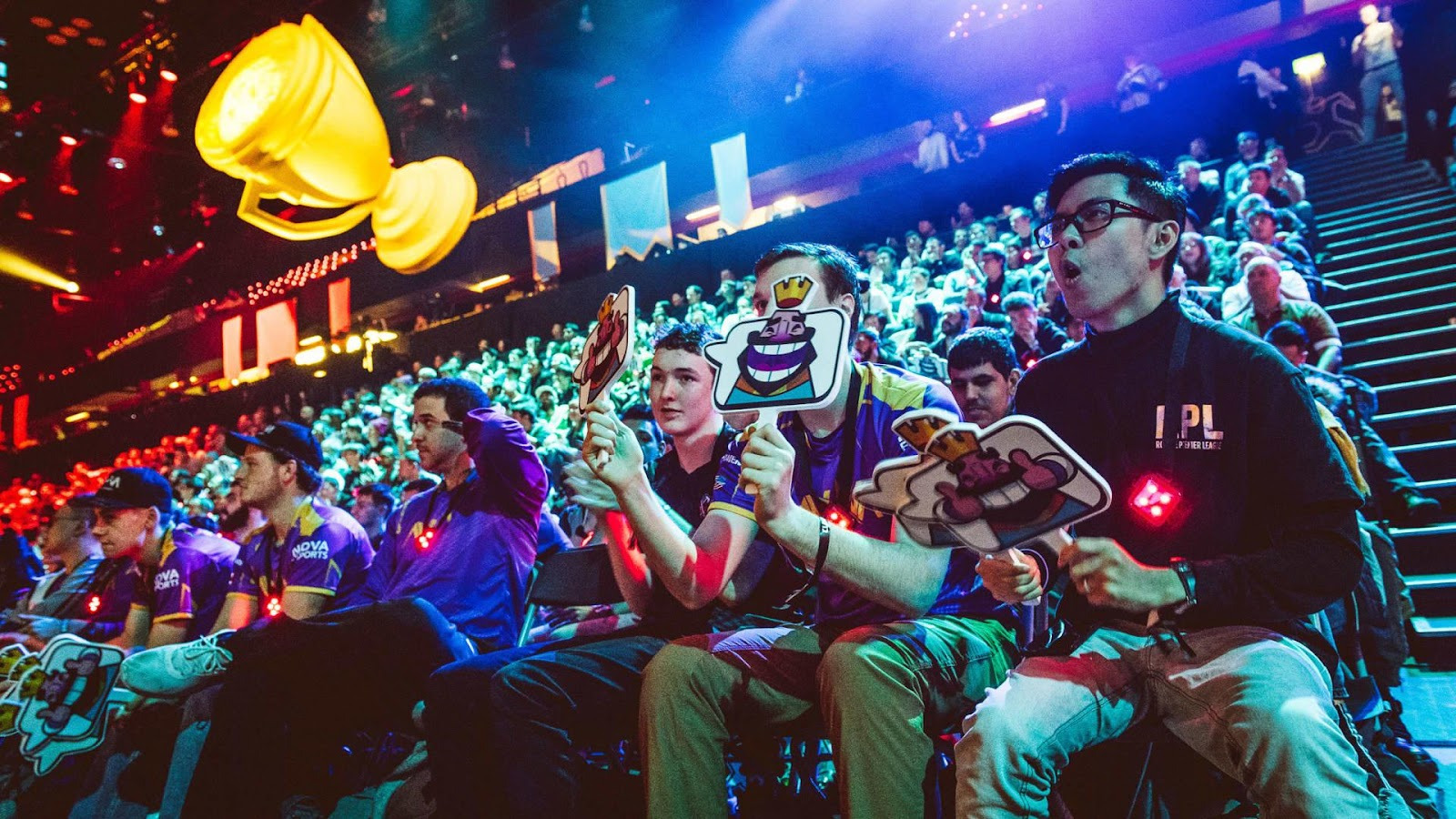
Another factor that attracts a global audience to esports events is active interaction with fans. Unlike traditional sports, where contact with spectators is limited, esports is integrated into digital ecosystems. During live broadcasts, users can chat, participate in polls, and support their favourite streamers or players through donations.
Video game developers also actively engage the audience through in-game events, themed skins and battle pass dedicated to tournaments and teams. This creates an additional level of involvement when the viewer not only watches the match, but also feels its own importance in the eSports event. This approach creates a sense of community where every fan is part of a global movement and contributes to the development of esports.
Social networks play an important role in promoting esports events. During tournaments, clips with vivid highlights, player interviews and team victories quickly spread across the network, attracting new audiences. Esports is becoming part of global culture, where memes, analytics and match discussions are becoming part of the daily routine for internet users. Communities are formed around esports disciplines, and everyone can choose which team’s fan club they want to join.
Economic Growth and Global Investment
The growth of the esports audience is directly linked to the economic development of the industry. Global brands are investing in team and tournament sponsorships, viewing esports as a promising new market. Advertising integrations, partnership programmes, and media rights generate multi-million dollar budgets for competitions.
In addition to sponsorship, funds are brought by ticket sales for offline events and merchandise. Large arenas in Europe, North America and Asia regularly host the finals of international tournaments, which are attended by tens of thousands of spectators, which confirms the stable demand. Tourism also benefits from hosting such events, as fans travel to other countries to visit their favorite esports events.
Investments contribute to the development of infrastructure, professional e-sports organizations create training bases and academies. In some countries, e-sports has already been recognized as an official sport that opens access to state support. Thus, the economic factor not only stimulates the growth of the audience, but also forms the long-term stability of the industry.
Conclusion
Putting all the facts together, we can say that esports events attract a global audience thanks to a combination of digital accessibility, high levels of competition, interactivity, and large-scale investments. Esports events are an important segment of the entertainment industry, capable of competing with traditional sports for viewers’ attention. With the right development, esports will only strengthen its position, as its format perfectly meets the demands of modern audiences and trends.

